How to adapt to China
1. Essential Documents:Passport, valid visa or residence permit.
2. Mobile Phone Number:A local phone number is recommended to receive verification codes and complete registration.Short-term plans are available at airport service counters. For long-term stay, you may contact local telecom operators for service details.
3. Alternative Payment Methods:Prepare a small amount of local cash for daily backup. An international credit card can also be used as a backup.
1. Download and Registration: Search for “Alipay” in the app store. Registration with a local mobile phone number is supported.
2. Real-name Authentication: Real-name verification with a passport is supported. Please upload the required documents as instructed.
3. Card Binding: Selected international credit cards can be used for small-value payments. A local bank card is recommended for a more stable experience.
4. Common Functions: QR code payment, travel services and daily life services.
1. A WeChat account is required for registration. A local phone number is recommended.
2. The wallet function requires real-name verification, and passport verification is supported.
3. Card binding: Selected international credit cards can be bound.
4. Common scenarios: QR code payment, online shopping, travel ticket purchases and other daily services.
2. Location for handling: Bank offline branches.
3. After binding a domestic card to WeChat/Alipay, payments are the most stable, limits are normal, and the experience is the best.
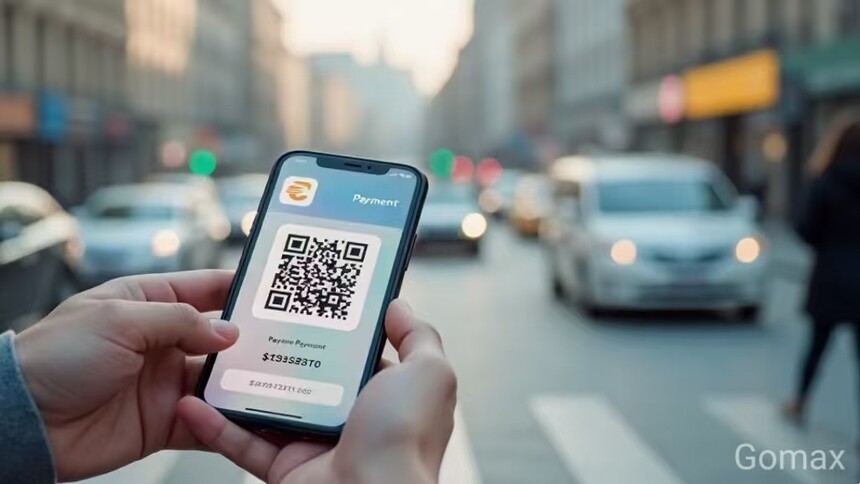
2. Transportation: Subway, bus, and taxis generally support mobile payments.
3. Online platforms: Food delivery, online shopping, and ticket purchasing all support WeChat/Alipay.
4. Accommodation and utility payments: Long-term residents can complete payments through payment tools.
2. Insufficient limit: Overseas cards have small limits; for long-term living, it is recommended to get a domestic card.
3. Real-name verification failed: Information is filled out incorrectly or ID photos are unclear; re-upload them.
4. Can't read Chinese: Enable the app's multi-language mode and save commonly used interfaces in advance.
5. Cash/bank card not accepted: In popular business areas, use mobile payments first and keep backup cash.
1. Short-term visitors: Mainly use international cards and cash.
2. Long-term stay: A local bank card is recommended for stable and convenient use.
3. Business travel: Use mobile payment, international cards and cash together.
推荐
-

-

QQ空间
-

新浪微博
-

人人网
-

豆瓣